

When you think about playing the Bunty Game, grasping volatility and RTP rates can greatly influence your strategy. Volatility shows how often and how much you might win, while RTP (Return to Player) rates show potential returns over time. Low volatility implies frequent, smaller payouts, while high volatility offers sparse, larger rewards, matching with varied risk preferences. These elements are crucial for optimizing your gameplay, which could considerably improve your overall experience. So, what’s your next move?
Key Takeaways
- Volatility affects payout frequency and amount, impacting strategy and gameplay experience.
- RTP shows the percentage of wagered money returned, aiding in game version selection.
- High volatility provides larger, infrequent rewards, suitable for risk-tolerant players.
- Low volatility provides more frequent, smaller payouts, suitable for gradual progression.
- Grasping RTP and volatility assists manage risk and optimize player strategy.
Comprehending Volatility in Bunty Game
When you explore the Bunty Game, grasping its volatility becomes essential for optimizing your gameplay strategy.
Volatility concerns the game mechanics that dictate how often and how much payouts occur, directly affecting your strategic decisions. A low volatility game provides frequent, smaller payouts, while a high volatility game offers larger, albeit infrequent rewards. Knowing the payout frequency allows you to adapt your approach and manage your bankroll effectively.
For a player seeking liberation through informed decisions, realize that high volatility may demand patience and a larger budget to withstand longer dry spells. Meanwhile, low volatility matches with conservative play, ensuring a steady flow of wins.
Mastering these aspects enables you to utilize the game for consistent results.
Exploring RTP Rates in Bunty Game
The Return to Player rate is a essential metric in assessing the Bunty Game’s total performance and player returns.
It’s significant that you comprehend RTP mechanics to fully understand how the game returns winnings over time. In summary, RTP represents the percentage of wagered money a game is programmed to pay back to players.
Exploring Bunty Game, you’ll notice different game versions affect RTP rates. Some versions may offer higher RTP, maximizing potential returns, while others could be lower, challenging your strategic understanding. buntylogin.com
You seek the liberation of knowledgeable choices; accordingly, understanding the intricacies of RTP mechanics allows you to choose variations that align with your preferred gaming experience, guaranteeing a balance between fun and fiscal prudence.
Impact of Volatility on Player Strategy
Understanding the impact of volatility on player strategy in the Bunty Game requires examining how variations can alter your approach to gameplay.
Volatility dictates the frequency and size of payouts, requiring precise adjustments based on your risk tolerance. High volatility may result in fewer but larger wins, requiring patience and a sturdy bankroll to withstand dry spells. Low volatility provides smaller, frequent wins, supporting steady progression and minimizing dramatic losses.
Precisely evaluating your comfort with risk is crucial. You must adjust gameplay strategies, whether it includes setting budget limits or adjusting bet sizes.
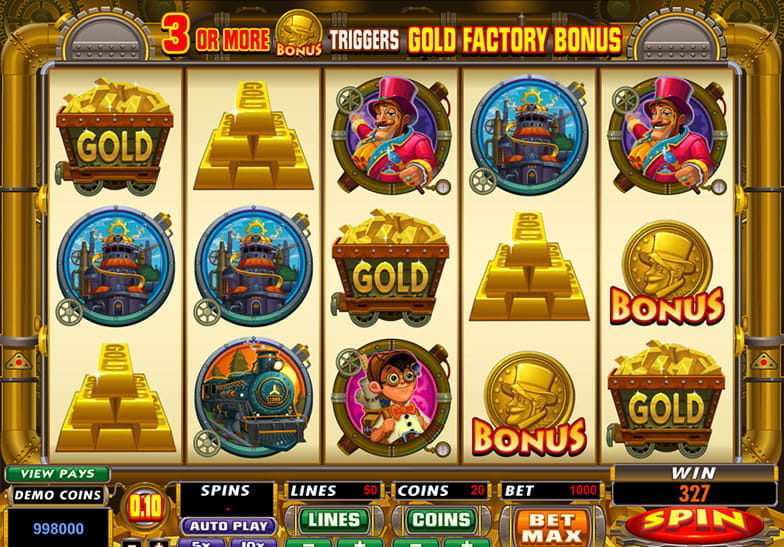
Accept volatility as a route to customized experiences, optimizing your gameplay by aligning with personal preferences. This thoughtful perspective allows a more liberated and strategic game engagement.
Calculating Expected Returns With RTP
Analyzing RTP (Return to Player) rates is crucial for any player aiming to calculate expected returns in the Bunty Game.
Understanding RTP clarifies your decision-making by revealing how much you might recover over time. To perform an RTP calculation, take the game’s RTP percentage and multiply it by the total amount you wager. This shows your expected return. For instance, with an RTP of 95%, a $100 bet estimates a $95 return.
Using this information strategically boosts your control over gameplay, enabling you against unpredictable variables.
Risk Management and Emotional Considerations
While knowing your expected return from the RTP rate helps in strategic gameplay, effective risk management and emotional control also play essential roles.
Safeguard your experience with thorough bankroll management. Set clear boundaries on how much you’re willing to wager, guaranteeing you don’t exceed your financial comfort zone.
It’s essential to regularly reassess your budget relative to bunty game’s volatility. Develop emotional resilience to maintain composure, especially during losing streaks.
Letting emotions dictate decisions can lead to impulsive betting, disturbing strategic play. Remember, a unburdened mindset doesn’t chase losses.
Instead, it focuses on controlling the gaming narrative. By mastering these techniques, you reinforce your gaming strategy, ultimately promoting a disciplined yet fulfilling gaming journey.
Maximizing Enjoyment and Rewards in Bunty Game
To truly maximize enjoyment and rewards in the Bunty game, you need to match strategy with both its features and your personal objectives. Engage yourself in the game features to discover how they incorporate into your goals.
Examine how bonus opportunities can increase potential gains. By including these elements, you convert gameplay into a satisfying blend of strategy and luck.
Consider the following:
- Explore various game modes
Implement these techniques to unleash potential enjoyment.